Monthly Archives: December 2010

Basic Cooking Skills: Organization

Today, people want recipes that help them cook fast and get it out of the way. Editors are looking for cookbooks that make the consumer’s cooking life easier. Go to a book store and look at the titles of some of the cookbooks, “fast,” “easy,” “simple,” are words that are in the title. Gone is the art of the long, slow cooking process, learning how to do it right. People just don’t have the time.

I contend that we do. The explosion of cooking classes and Private Chef instruction is proof. Cooking classes abound, and even the new grocery store up the street built a Cooking and Demonstration Kitchen into their store.
Let me introduce you to my process. When I cook at home, I use the Batch Cooking Method. I’ll make soup or chili, several types of tofu items, fava beans, and several of our favorite Indian dishes. I like to make hummus, falafels, and pakoras periodically. I cook rice twice a week to serve with these dishes.

Organization is imperative when faced with four or five recipes at once. First I make a menu, nothing fancy, just a list of dishes I plan to cook. Next I break the Menu down into a list of ingredients that I need to buy. And I make a separate to-do list for when I get home from shopping (in professional kitchens we call this a prep list).

When I get home from shopping, I usually start out by processing the proteins. I’ll start cooking the beans that have been soaked in the fridge overnight. I’ll press the tofu if any recipes call for it. And then start chopping up vegetables that are needed for the different dishes. Since some of my soups and beans have the same base, I’ll prepare this food at the same time.

Once the prep work is done, I cook my way through the four or five dishes that I’m making for the week.  That’s the basic process and it works because I organize the recipes , the ingredients, and the prep list at the start.

I realize that most people don’t have this level of organizational skill when it comes to cooking. They look at a stack of ingredients and wonder “WTF”.  But with a little practice and guidance, this skill can be gained.

The process described above may seem overwhelming, but read through it again. Organize. Start with two dishes or maybe three, and get used to the process. Read cookbooks for recipe ideas. Look on-line for meal-planners and shopping lists that can help. Once you get the knack, Batch cooking Day can become as easy as going out to the fast food joint.

If you are still confused at how this works, please ask questions in the comment section. I’ll answer them to the best of my ability. And I encourage any success stories as well.


Share

Variations on Rice Recipes: Lemongrass infused Rice

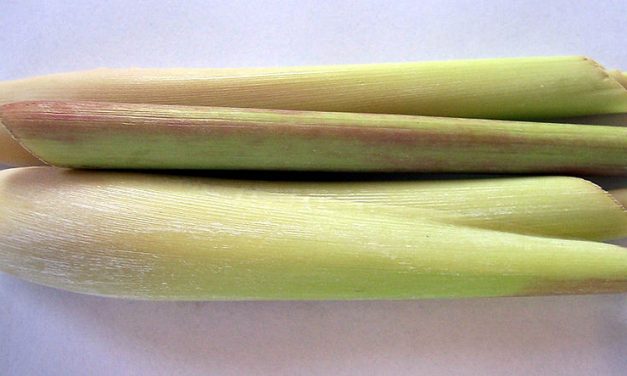
Lemongrass is a sweet, slightly lemon-ey flavor from Asia. When used properly, it imparts an earthy lemon scent to food. Used in rice, it adds a depth and dimension to whatever dish you are serving it with. This is one of my favorite rice infusions.

Lemongrass infused Rice

Ingredients

  • 2 cups water
  • 1 cup long grain rice, rinsed and drained
  • 1 stalk lemongrass, chopped

Process

Bring the water to a boil in a sturdy sauce pan. Add a pinch of salt, the lavender, and the rice.

Turn the heat down to a simmer, cover with a tight lid and cook for 30 minutes.

When the rice is done, fluff with a fork, and add to your favorite entrée.

Schema/Recipe SEO Data Markup by ZipList Recipe Plugin
http://www.kitchenshaman.com/variations-on-rice-recipes-lemongrass-infused-rice/

Share

Variations on Rice Recipes: Cilantro Lime Rice

This is a bit of Southwest fusion. Roll this up with Smashed Black beans into a burrito, or serve with Grilled, smokey tofu.

Cilantro Lime Rice

Ingredients

  • 1 3/4 cups water
  • 1/4 cup lime juice
  • 1 cup rice, rinsed and drained
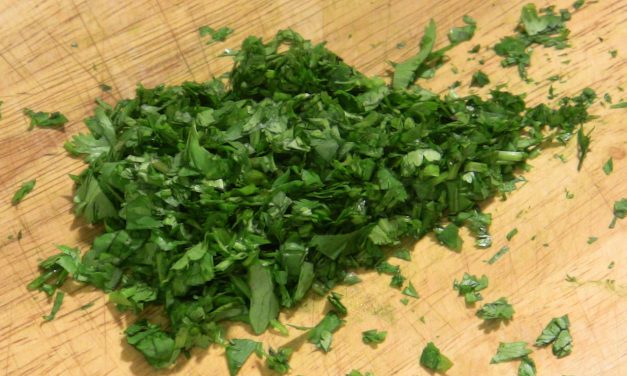
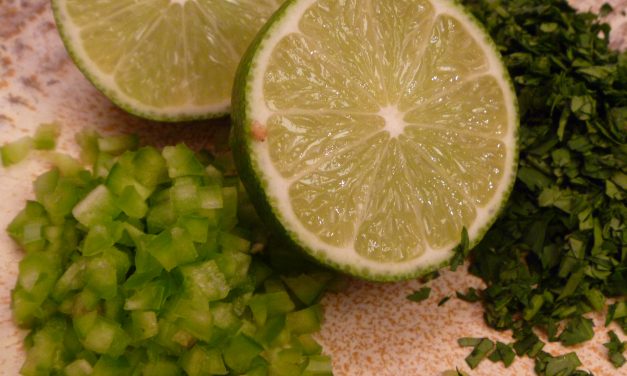
  • 1/2 bunch cilantro, chopped.

Process

Bring the water and lime juice to a boil in a sturdy sauce pan. Add a pinch of salt, and the rice.

Turn the heat down to a simmer, cover with a tight lid and cook for 30 minutes.

When the rice is done, add the cilantro and fluff with a fork.

Roll up in a burrito and enjoy.

Schema/Recipe SEO Data Markup by ZipList Recipe Plugin
http://www.kitchenshaman.com/cilantro-lime-rice/

Share

Variations on Rice Recipes: Lavender infused Rice

Lavender adds a perfume taste and scent to rice. Use a delicate grain like Jasmine for this infusion. Serve on a special occasion like Mother’s Day, and if you can find lavender flowers, they make a great presentation on the platter.

Lavender infused Rice

Ingredients

  • 2 cups water
  • 1 cup jasmine rice, rinsed and drained
  • 2 tsp lavender, chopped

Process

Bring the water to a boil in a sturdy sauce pan. Add a pinch of salt, the lavender, and the rice.

Turn the heat down to a simmer, cover with a tight lid and cook for 30 minutes.

When the rice is done, fluff with a fork, and add to your favorite entrée.

Schema/Recipe SEO Data Markup by ZipList Recipe Plugin
http://www.kitchenshaman.com/lavender-infused-rice/

Share

Variations on Rice Recipes: Herbed Rice

Rice comes in all forms and varieties. The kind of rice you use depends on the application. For sushi, you would use sushi grade rice. For this recipe, you can use almost any kind of rice, even the difficult short grain brown rice. The best thing is to experiment with different flavors and infusions. This simple Herbed Rice lends itself to pilafs, and just a quick lunch.

Herbed Rice

Ingredients

    Rice
  • 2 cups water
  • 1 cup long grain rice, rinsed and drained
  • 2 tsp herb mix, minced
  • Herb mix
  • parsley, oregano, chives, thyme, sage, marjoram, or whatever grows in your part of the world

Process

Bring the water to a boil in a sturdy sauce pan. Add a pinch of salt, and the rice.

Turn the heat down to a simmer, cover with a tight lid and cook for 30 minutes.

When the rice is done, add the herbs, and fluff with a fork.

Serve with your favorite entrees, and vegetables.

Schema/Recipe SEO Data Markup by ZipList Recipe Plugin
http://www.kitchenshaman.com/herbed-rice/

Share

The Fantastic, Amazing and Versatile Chili Pepper

Korean chili pepper dryingOne of the main ingredients I cook with is chili peppers. Jalapenos, Serranos, Anaheims, New Mexico Reds, Poblanos, Pasillas, Cayenne, all these chilis and more have a home in my kitchen.

There are approximately 25-30 kinds of chili peppers, and in that family there are multiple varieties. Chilis give flavor to dishes, and some great health benefits as well. A hot chili pepper has more vitamin C in it than an orange.

Chilis hail from the South American continent. Along with tomatoes and potatoes, they were part of the new food group that traveled over to Europe from the New World.  Long chilis already existed in India and Asia, but the chilis discovered on the South American continent were a whole new variety.

One of the problems in identifying different kinds of chili peppers is that there are different regional names for the same chili. Pasilla and Poblano chilis get mixed up more frequently than others. A Pasilla is long, with wrinkles on the top end, and a tapered tail, like the Anaheim. A Poblano is fat like a sweet green pepper, with dark green flesh and a pointed end. I once sent a friend on a hunt for a Poblano, and she came back almost in tears because she asked in three different grocery stores, and got three different answers, so came home with nothing. I learned, if I want chilis, shop for them myself.

When naming a  chili in a recipe, I will try to give more than one name for it, because it could be called something completely different in your area of the world.

I can expound upon the virtue of the chili all day. Jalapenos make up part of the mirapoix I use in my dishes. There is a depth and essence that chilis bring out when combined with other food that elevates the humblest of soups to greatness. Chilis can be roasted, baked, fried, stuffed, sauteed, caramelized, pureed, dried and crushed. They play well with all sorts of other food stuffs and make great sauces and soup bases. When caramelized, chilis impart a rich, smoky flavor to any dish.

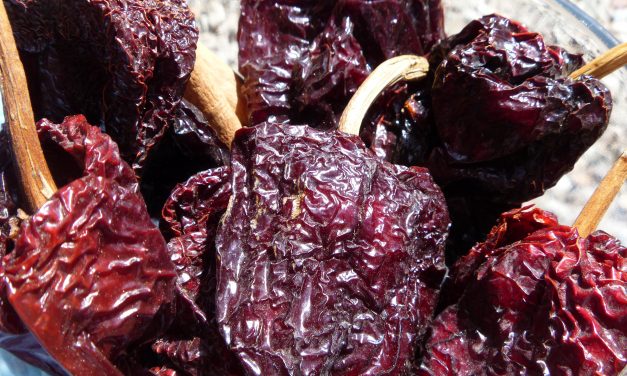
When smoked, a jalapeno becomes a chipotle. When put into a sauce called Adobo, it is sold in a can in the Supermarkets. Years ago, I found a recipe for the Adobo sauce in a cookbook called The Border Cookbook by Cheryl Alters Jamison and Bill Jamison. Eventually I learned how to smoke my own chilis.

Chipotle, or the Smoked Jalapeno is expensive when found in the produce section of the grocery store. I believe it was $12.99 per pound the last time I was in a store. Now, a smoked jalapeno does not weigh very much, but I can buy them for .99 cents/lb in season, and fire up the smoker and smoke them myself. With the cost of smoking chips, it probably runs $4.99 a pound.

I am fortunate to live in the Southwest where we find chilis year round. The harvesting season is usually between late August and Mid-September. That’s when the Anaheims and New Mexico Reds have matured and are sold by the bushel, not by the pound. In Sante Fe, New Mexico, there are chili roasters on every major street corner. I couldn’t walk any where in that town without smelling roasting chilis. (Still one of my favorite smells of the year).

Chilis are used as garnishes at tables, and there is an entire cult of the chili motif. If you want to, you can buy just about any kind of table ware, decorations, wall paper and even furniture with a chili pepper design. There for a while it was a fad for chefs to wear pants that had chili peppers on them.

Whatever your plans for the chili pepper, I hope to be a guide for how to use them in cooking. Over the next few weeks, we’ll explore a few of my favorite chili recipes, and how chilis interact with other ingredients.  Please, if you have questions or comments, I’d love to hear from you.

Share

Cooking Rice: Easy steps

White RiceWhen I first started cooking rice, I didn’t get it quite right. It was too sticky or too hard. I would have to add more water while it was cooking. So I ate a lot of potatoes, they were easier to cook. But I enjoy eating rice, so I needed to conquer my fear about cooking rice, and learn how to do cook it properly.

Cooking rice depends on several factors; equipment, the kind of rice used, and altitude. Make sure you have a 4 quart sturdy pot with a tight fitting lid. What kind of stove top will the rice be cooked on? Induction, gas, or electric.

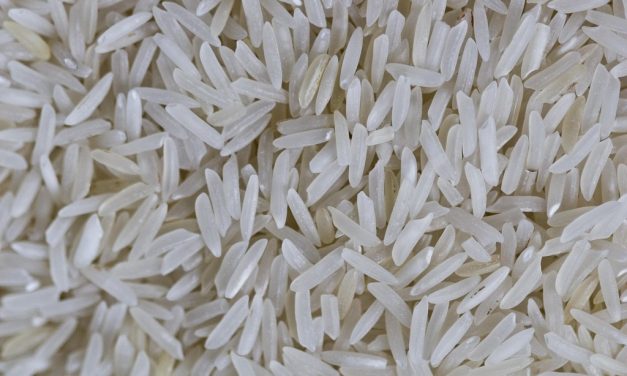
For plain generic white rice the ratio is 2:1. 2 cups water to 1 cup rice. If you are making more, keep that ratio. I always rinse my rice to remove any foreign debris. White rice doesn’t need to be soaked. Bring salted water to a boil, drop in the rice, bring to a simmer, put on the lid, and let it go for 30 minutes.

Brown RiceBrown rice is a bit harder to judge. Is is short grain or long grain. The consensus seems to be a 3:1 ratio. 3 cups of water to 1 cup of rice. Soaking brown rice for about 20 hours prior to cooking helps germinate the seed, adding more nutrients to the finished dish.

There are different kinds of ways to cook rice, and ways to flavor rice. The Biryanis of India are famous for their flavor and addition of meat. Rice pilafs usually combine two different kinds of grains. Rice and lentils are the most common. But you can put together rice and chick peas, rice and millet, rice and, well whatever you can think of that will go good with rice.

Rice and fruit play well together too. Rice pudding with raisins and cinnamon is a common treat in England, brought over from India and other Asian countries. There’s much more rice knowledge from Thailand, Vietnam, regional areas of China, and Japan. (although Japan is a late-comer to rice, around the 1st century a.d.)

There are Rice Gods, and stories about the creation of rice. I’m not sure I’ve even heard of a potato God. Rice feeds at least 2/3 of the world’s population today.

Over the next few weeks, we’ll be exploring variations of Rice. The kinds of rice to cook, the types of food you can add to rice, and seasonings that go well with rice. By the end of it, rice will become a companion, and a comfort food.

Share

Basic White and Brown Rice Cooking

This recipe works for most of the white rice out there. Basmati, Long grain, Jasmine, and that bag on the shelf of the grocery store. Just remember, when increasing amount per cup, that increases the cooking time.

If you have a rice cooker, please follow those instructions. These recipes are intended for stove top cooking. (makes 2 cups of rice)

Recipes for White and Brown Rice

Yield: 2 cups

Ingredients

    White Rice
  • 1 cup white rice,rinsed thoroughly
  • 2 cups water, salted and boiling
  • Brown Rice
  • 3 cups water, salted and boiling
  • 1 cup brown rice that has been soaked.

Process

Add the rice to the boiling water, bring to a simmer, cover with a tight fitting lid (or use aluminum foil), and cook for 30 minutes. When done, the rice will have soaked up all the water, and be fluffy, with the grains separated. Don't stir the pot while the rice is cooking, this will disturb the absorption process.

When done, remove from heat, place in an airtight container, and allow to cool down completely before covering.

Serve with any veggies or alternative proteins that you like.

Schema/Recipe SEO Data Markup by ZipList Recipe Plugin
http://www.kitchenshaman.com/white-brown-rice/

Share

Starting with the Basics

Good cooking is built on basic techniques. And I’ve chosen to include the basics on this blog. You’ll be able to access information without stepping outside of this website.

How to cook potatoes or rice, make seasoning mixes, vinaigrettes, how to cook tofu or roast a squash, how to chop food with the basic cuts, as well as basic recipes and then recipes that include the basics. Along the way there will be  stories about how I became adept at culinary skills (much pain was involved), how I became so passionate about food, and why I love to cook.

I’ll also be looking at food history, so while you are learning the basics, and moving on to more advanced skills, there will be some food education involved as well. I discovered that most people do not know where the potato originated, or that tomatoes came from the American continent, and that the Italians didn’t cook with them until the 1700′s. Which is why food history and knowledge is important.

If there is any information you are looking for, something you want to cook, or if you just want to drop me a line. Please do. The Kitchen Shaman is open to suggestions and ideas.

Share

Time to get serious

I’m beginning to take this food writing business seriously. I’ve had this blog for a long time, and I essentially ignored it until a spark of inspiration hit my brain. What does a working chef, who cooks vegan at home have to say to the community at large about food?

I have a handful of faithful readers. I have some good recipes. And a few good stories. But, it’s time to write more.

I recently researched food writing. I was chasing the story about Cook’s Source Magazine (the one that plagiarized food writer’s works) and found more blogs about food, food writing, cooking, and food related stories. These are blogs that have been on the web for longer than I’ve been writing this one. I had no clue. And the Food Blogosphere exploded while I was working in New Mexico at a soul sucking, mind-numbing job.

Now, I am armed with further knowledge. I’m reading books.  I’m actually paying attention to how others write recipes. There’s a book called The Recipe Writer’s Handbook, the local library does not have it listed. There are lists of words that Food Writers should use, and a list of words they shouldn’t.  Dianne Jacob adds her list of words, and the editors at LA Weekly tell us their 10 worst food words to use, and why in two parts;  part 1 and part 2.  Very useful for those of us new to food blogging.

After all this research and beginning to read more judiciously, I realize I have so much more to learn. This is a journey, and one I want to take you on. Like Julie Powell and the Julie and Julia: My Year of Cooking Dangerously, where she learned to cook, this is my project. “How to become a food writer, and be good at it.” So along with recipes I’ll be sharing my story of the writing process with you. I expect feedback. And lots of it.

Share