Monthly Archives: April 2009

Erotic Food

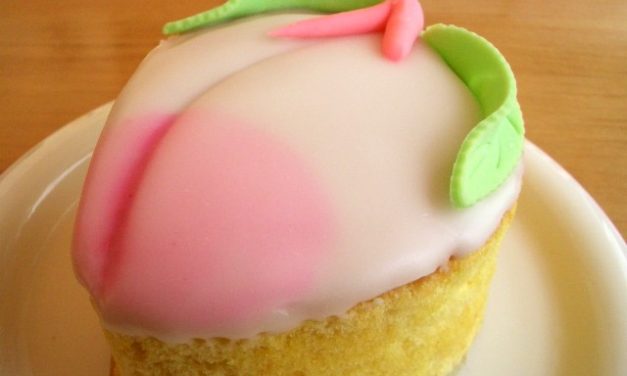
Recently I reacquainted myself with Matt Freedman Photography. He’s been working with Chef Tiberio Simone, originally from Italy, now based in Seattle, on a project that marries food and photography, two of my greatest loves.

Freedman has done extensive work on The Burning Man project, and photographs many subjects. Chef Simone is based in Seattle, and is a James Beard Award Winner. The combining of these two talents has resulted in the book titled La Figa: Visions of food and form, due out sometime this year. They will be showing and performing in the Seattle Erotic Art Festival, May 1st-3d. That’s this coming weekend.
If you miss the performance, wait for the book to come out, it promises to satisfy any foodie or professional’s interest in food as erotic art.

Share

Obsessions

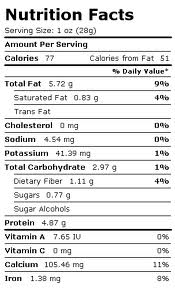
I have a new obsession: Nutrition labels.

I became a chef to learn about how food goes together, what foods work with each other. I had the humble beginnings from my grandmother’s garden, and her fresh baked breads, and later in life, I began my culinary career.

Now that I’ve learned the different combinations along with ingredients, and all the beautiful ways food can be put together, coupled with the pantheon of herbs and spices, I need to learn about what I am putting in my body.

I began building my own data base of food nutrition labels in my house. I started before I found nutritiondata.com. And learned that I was doing it exactly the way they did. I also learned that you can find a good amount of nutrition labels on their website, and download them.

There seems to be a problem in this wild world of labels, I eat primarily vegan. The products that my partner and I consume are mainly legumes, grains, vegetables and fruits. The brands we buy, if they aren’t Whole foods, Trader Joe’s, or the local produce market, don’t seem to be plugged into a database. You try searching for the nutritional value of urad dal.

Yes, I normally would pull nv’s off the label from the package, but, alas, the urad dal I purchased actually came from India, thus, no label. I found one website that lists nv’s of Indian cuisine. Brilliant I tell you.

We also buy in bulk. Most of my nuts, grains and legumes come from a bin, and if it’s not in a database somewhere online, I fear I am going to have to take cellphone pictures off the bins in the food market, bring it home, and input it that way.

Unless some one out there has a better idea of how to find the nutritional value of foods vegans eat.

I found one site that does a pretty good job. It started off as The Daily Plate, which then got swallowed up by livestrong.com, a product of Lance Armstrong’s foundation. I can track a lot of my calories, and find TJ and WF brands there. I’m still building my own database, but at least the information is there, and I can find it fast, when I need it.

Now, I don’t know why nutrition labels have become an obsession. Maybe I miss the kitchen so much that I’ve got to do something that is food-related. I’ve got three more weeks before I return to work. I’ve been cooking at home, more so than when we first moved here, and I’m cooking better food, but still, I’m not sure this explains the obsession.

It isn’t about tracking calories, or eating less, or making sure I’m getting the right amounts of iron and calcium. I eat a balanced enough diet. It is about the kind of food I do put in my body, and, I think I’m just very interested in the process of the label itself.

Thank you FDA.

Share

Food, fresh or convenient?

I’ve been interested in the history of food, where it comes from, how old it is, how it migrated to where it is now. In the last week I’ve learned so much about the foods we eat, and why we eat them.

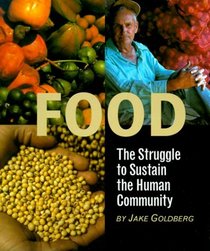
The books I’m digesting right now are:

I’ve learned that the industrialization of food, the making of processed foods, took over 30 years, and lots of advertisers to sell it to home-makers and immigrants. We are still struggling with the lack of nutrition in pre-made foods. There is a push to go organic, and fresh, to shop local not global, and to make of your table a bounty of fresh, appealing foods.

I struggle with this. Working as I do, I don’t often get to cook how I want at home. And recently, I developed more severe foot problems. I’ve taken a couple months off work to heal them. It is frustrating, but is better than ending up crippled down the road. It also means that I’m still not cooking how I want to in my home.

As a chef, I work for a large hotel that utilizes a large corporation for its food stock. We are far removed from supporting the local farmers. Instead we support industrialized farming and the factory farming of animals. There is a certain convenience about this, yet I’m beginning to find that it is not in alignment in my beliefs about food and what we should put in our bodies.

I’m in a dilemma and at a crossroads in my career. I will continue where I’m at, but I don’t know for how long. I will continue my research of where our food comes from. It means scouring hundreds of books. There is no one website, no one book on food that can give us the entire history of what we eat and why. Almost every cookbook I encounter has stories, has something about the food it is presenting. Which means with all the thousands of cookbooks, there are that many stories to be told about food.

There is truth in the folklore of the medicinal and healing properties of food. And I hope someday to maybe provide a comprehensive guide to that folklore and the food we consume. Looking at the future of food, McDonalds, Campbells, and other major producers of fast and convenient food will become the folklore of how food was corrupted, and we will go back to how nature intended us to feast; wholesome, fresh, and with an eye to the seasons, not convenience.

Share