Tag Archives: cilantro

Sweet Potato and Fennel Salad

Sweet Potato & Fennel SaladI never know where a recipe will come from. Some days it is a trip to the market. Other days, it is just thinking about food and flavor. Sometimes, my job pushes me to think outside the box and come up with Amuse Bouche, the one bite wonder that represents the chef and the restaurant.

This little gem came from one of those days when I had enough left over ingredients from Sunday Brunch to create this amazing flavor packed salad. I hope you enjoy it.


Curried Sweet Potato & Fennel Salad

Ingredients

  • 2 Sweet Potatoes cut into 1/2 inch cubes
  • 1 tbsp Olive Oil
  • 1 bulb fennel thinly sliced
  • 1/2 Red Onion, thinly sliced
  • 2 tbsp Cilantro chopped
  • 2 tbsp Mint chopped
  • 3 tbsp Curry powder (or make your own)
  • 2 tbsp Olive oil
  • 1 tbsp lemon juice, fresh
  • Salt to taste
  • 1-2 tsp Black Pepper

Process

Peel and cube the sweet potatoes. Toss in olive oil and lay out on a baking sheet. Roast in a 400 degree oven for 12-15 minutes, until the sweet potatoes are soft, but not mushy.

Cool down the sweet potatoes and set aside.

Julienne the fennel and red onion, as thin as you can. If you have a Japanese mandoline, they make fast work of this task. If not, use a very sharp knife to get as thin as you can.

Fine chop the cilantro and mint.

In a large bowl, mix the sweet potatoes, fennel, red onion, cilantro, mint, curry powder, olive oil, lemon juice, and salt and pepper.

Taste, adjust seasoning accordingly.

Serve for lunch with soups, or wraps. It makes a great snack too.

Schema/Recipe SEO Data Markup by ZipList Recipe Plugin
http://www.kitchenshaman.com/sweet-potato-and-fennel-salad/

Share
Raw Jalapeno Poppers at 24 Carrots

A Bit of Vegan Heaven; 24 Carrots

Once in a great while, I come across food that doesn’t just speak to my mouth, or just hums for me, it sings in my soul. On the quest for great quality vegan food that holds the flavors I’m looking for, I have been disappointed. Yes, there is great food out there, and the partner and I frequent the places where we can eat without too much hassle. Me; no corn, no peanuts, Her; no gluten, no dairy (in case we are in vegetarian places). But they’ve all seemed to miss one or two notes.

Along came 24 Carrots, in Chandler, Arizona. I got excited when I heard about them, but life kept getting in the way. It is a bit of a trek from our house. I knew I wanted to try it, and I keep an eye on the social media, and the specials were starting to make me drool. We were able to visit the other day, and found a relaxing, yet vibrant atmosphere, coupled with a knowledgeable counter person, and good smells.

Juice Bar at 24 CarrotsNestled between a Subway, and a Caribbean house, 24 Carrots is a strip mall slice of vegan heaven. The juice bar is prominent, and there are small dining tables up front. In coffee house tradition, there is a lounge area with couches, and comfy chairs, and a large flat screen t.v. on the quote board. There is a small library, and you can read while waiting for food, unless you want to take advantage of the wi-fi on your mobile device.

There is so much to choose from. They have an extensive menu with a variety of vegan cuisines represented. I was interested in their specials, and the veggie burger. I’ve been disappointed so far with most of the grain burgers I come across. It was Taco Tuesday, with Soyrizo Tacos on the special board, so the partner ordered two of those. I went for the Roasted Tomato Burger. We decided on the Raw Jalapeno Popper appetizer. After having a nice chat with Marcus, the counter guy, we ordered juices and food, and sat and waited.

Raw Jalapeno Poppers at 24 CarrotsThe wait was a little long, and that could have been for several different reasons, but once the food came, we were not disappointed. The Raw Jalapeno Poppers looked exquisite. Almond cheese stuffed into baby bell peppers, laid out on a bed of mixed greens, with what looked like a bit of cilantro pesto. Then there was the Soyrizo Tacos. Soyrizo smothered with avocado puree, purple cabbage, onions and mushrooms, all wrapped up in a warm corn tortilla.  An optional side of chips with a pineapple salsa fresca completed the plate. Then came the Roasted Tomato Burger, the ever present LTO, an oat bran bun, served with a refreshing mixed green salad with not only sunflower seeds, but pumpkin seeds as well. I love pepitas!

Roasted Tomato Burger at 24 CarrotsSpecial of the Day: Roasted Tomato Burger at 24 Carrots

Eye to stomach is what I’ve been taught as a chef, and 24 Carrots applied the rule. I wanted to eat everything as they set the plates down. But first, pictures! Can’t forget the pictures. Then we dug in. I’ve found my home for vegan Sonoran flavors. This is what I’ve been looking for. One other place came close to pleasing my chili/lime/cilantro craving palate, and that was Native Foods Cafe in Southern CA. Glad to know the flavors exist closer to home. The first bite into the Popper caused a bit of ecstasy in my mouth. A burst of flavors, and my mouth was singing. Then I tried the burger. Satisfying, and it did not squish or fall apart. It was warmed all the way through, and the basil aioli came through all the way. The salad was dressed perfectly, not too much, not too little. And I ate it all. We took a couple of the poppers home, and as I was writing the first draft of this review, I had to go eat one, I got so hungry just remembering how good they were.

Special of the Day: Soyrizo Tacos at 24 CarrotsSpecial of the Day: Soyrizo Tacos at 24 Carrots

The report on the Tacos were excellent. I could only take a little bite due to the corn tortillas. I tried the salsa, and it was very pleasing. We had fresh juices to wash everything down with, Apple-Ginger, and Ginger lemonade. When I tried the ginger lemonade my mouth puckered. Thanks, I’ll stick to apple-ginger. But the partner really enjoyed it.

We will definitely return to explore the rest of the menu, enjoy the specials of the day (posted daily on their Facebook page– great use of social media by a vegan restaurant), the decor, and the fresh atmosphere at 24 Carrots. I hope you do too, if you are in the area. Support independent, and support local.


Share

Kick up the Flavor of Condiments: Sour Cream Goodness

Sour cream by itself is pretty plain. For me it falls under the same category as mayonnaise, it’s that white gooey stuff with no flavor. As I was putting together a class I knew that I couldn’t serve just plain sour cream, I’d have to put a Sonoran spin on it. Here’s what I came up with. I love cilantro, and use it…alot…Mixed with garlic and onions, delicious. Try this out next time you make Tofu Chili Tacos, trust me, the diners will be back.

Oh, and this is made with tofu sour cream (Tofutti), but you can use the real stuff if you want.


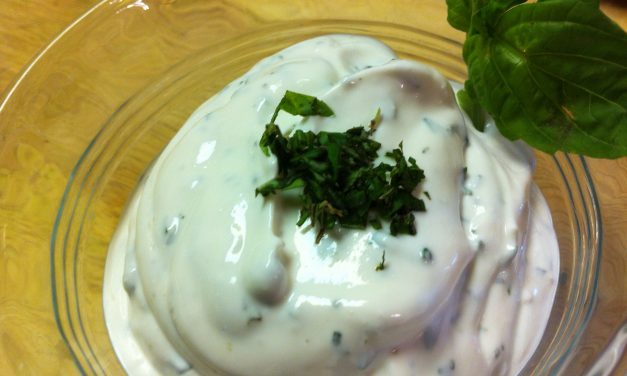
Cilantro Sour Cream

Ingredients

  • 1/2 cup Sour Cream or Tofutti Sour Cream
  • 2 tbsp Cilantro chopped
  • 1/4 tsp Onion Powder
  • 1/4 tsp Garlic Powder
  • ¼ tsp Salt

Process

Mix all ingredients together in a bowl. Chill before serving.


Share

The Spice Road: Coriander

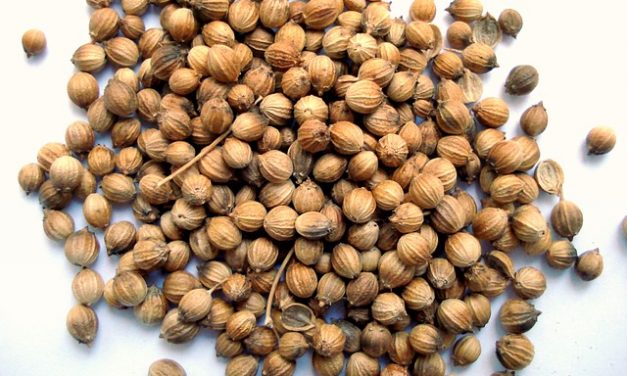
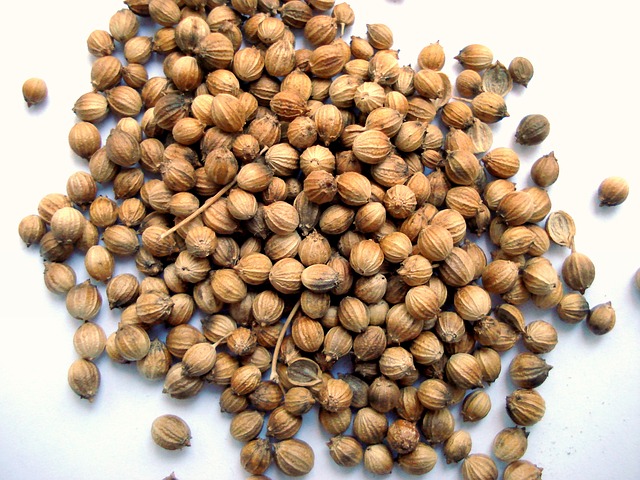
Coriander (seeds)3′d in a series about Spices

Certain foods inspire strong reactions in people.  For example, many people either love or hate cilantro.  Its prevalence in salsas and Mexican sauces make it easily recognizable to most diners. On the other hand, coriander is more of a stealth ingredient, finding its way into many foods without inspiring such a strong reaction.  What many people don’t realize is that those cilantro leaves and stems come from the same plant as the spice known as coriander.

Coriander is the fruit or seed of the cilantro plant (also known as Chinese parsley). The seed is ground up and used as a base in curry pastes or “gravies.” It serves as a base ingredient in Mediterranean, Chinese, and Indonesian cooking. It sports a pungent fragrance and provides a deep, rich flavor to food. Cilantro, on the other hand, lighter but stronger, imparts a “lift” to any food it seasons. Recipes usually add cilantro at the end of a dish while coriander is added at the beginning. Oftentimes coriander is toasted and ground, and then mixed in with ginger and turmeric. Diners can easily see and recognize cilantro in a dish, which can trigger an immediate reaction, either positive or negative. Since coriander is one of the invisible spices, most people don’t even know they are eating it.

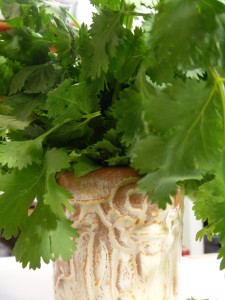
cilantroThere are many culinary uses for coriander. I put it into almost any stew or soup I make. I use it in chili and in the Indian dishes I am learning to cook. It was an ingredient in the “magic sauce” that I accidentally created one night. I like the earthiness, the pungency, the deepness coriander gives to dishes.

I started using coriander after reading Michael Symon’s Live to Cook: Recipes and Techniques to Rock Your Kitchen
a book by one of America’s Iron Chef’s. Using coriander made sense to me, since I was already a heavy user of cilantro. From the time I started using it in my food, I have been richly rewarded with compliments.

Like other spices that are used in curries, coriander has many medicinal uses. It is a digestive aid, an anti-inflammatory and helps with nausea. It can help prevent urinary tract infections. It is believed to help prevent heart disease, lower LDL’s (bad cholestorol) and it is known to lower blood sugar. Coriander is also a good source of trace minerals like potassium, calcium, manganese, iron, and magnesium. It has been proven to be an effective and powerful anti-oxidant.

Coriander may be one of the oldest used herbs or spices in our food. It grows wild, and needs hardly any cultivation to thrive. It is easy to start, and doesn’t mind being transplanted. I’ve successfully grown and harvested several plants for seed. Once the desert weather cools down, I’ll have another crop on the way.

If you aren’t a fan of cilantro, try coriander; you might be surprised, and may find yourself starting to like cilantro a little more.

Share

Spicing up your Cuisine: Exploring the World of Spices

1st in a series about Spices

Spices make up the “palette” of a chef. They have a long and intriguing story of travel; how they spread out from a point of origin to all over the globe. Each culture treats these spices a little differently, yet there seems to be several common spices used in global cuisine.
Cumin, coriander, turmeric, and ginger make up the base of most Asian and South Asian cooking. Pick up any Indian cook book, and at least three of the four will be listed. The combination is the base of a “curry,” or gravy, that is made to compliment the food on the table.

Spices like cinnamon, cloves, and nutmeg are used as enhancing spices in Indian cooking, yet they are known as “sweet” spices in American cuisine. That’s where they have a tendency to stay, unless the cook is feeling a little adventurous. Finding out that I could add cinnamon to tomato sauce opened up the possibility of using other “sweet” spices in savory dishes.

Using spices judicially is key to the success of a dish. Too much turmeric can overwhelm a dish. Coriander can turn food bitter while cumin imparts an earthiness, and when used with ginger can make or break a dish. Too much ginger will give too much heat to the food.

Most of the spices that came from Asia, or the Sub-Continent have medicinal as well as culinary uses. Ayurvedic Cooking bases itself on these medicinal uses, and the warming or cooling elements of the spices themselves. When such spices and herbs are combined with certain foods, healing, or balance can take place in the body-mind-spirit.

I am going to examine each of these base spices, and help you understand just a bit more about their ancient benefits. How we can bring these spices into daily use, and help gain from the medicinal uses as well as the flavor. Going along, I’ll point out some of the recipes I’ve used as a springboard for other great food I’m creating, with the help of several Indian cookbooks. And because I love the history of food, there might be some discussion of the Spice Road, and how the American continent was discovered because of our love of spices.


Share

Watermelon as Gazpacho

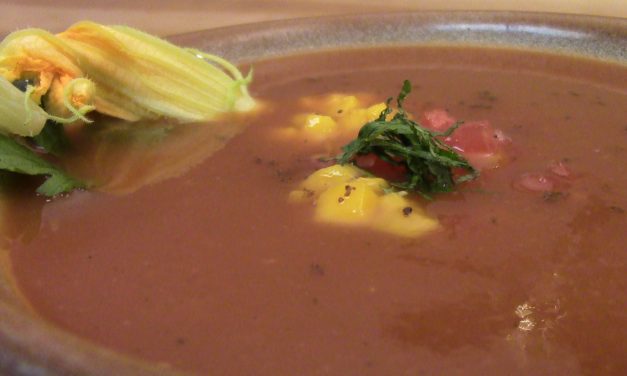
Summer is almost here, and that means cold soups, gazpachos, and watermelon, lots of watermelon. And watermelon can be the base for a great raw soup. I found this version at The Sunny Raw Kitchen, and with a few tweaks, made it fabulous. Be warned, it makes a lot of soup, (6 cups) and the habanero chili is hot, so play with caution, use gloves if you are sensitive to capsacuim.

Watermelon Soup

  • 3 cups watermelon (use seedless if you don’t like taking seeds out)
  • 1 habanero chili
  • 1 mango, diced (can be large diced)
  • 1/2 tsp cardamom seed
  • 1 tsp agave syrup
  • 1 tbsp cilantro, finely chopped
  • finely dieced watermelon and mango pieces for garnish

Assemble all ingredients. Remove cardamom seeds from their shells. Place all ingredients except for cilantro and agave in blender and puree. Transfer to a bowl, and add agave and cilantro. Garnish with finely diced mango and watermelon pieces. Serve on a hot day with fresh-made lemonade.

Just a note: To make this a truly raw soup, omit the agave syrup. Melon and mango are sweet enough on their own.

Traditional Gazpacho is defined as a cold Spanish tomato-based raw soup. Modern variations include Avocado, Cucumber, Parsley, Watermelon, grapes, meat-stock, seafood, as well as other ingredients. If there are those who want to argue that Watermelon cannot be gazpacho, I beg to differ. If the definition of gazpacho is cold and raw, then this Soup is Gazpacho.


Share

Curry Leaves Found In Phoenix

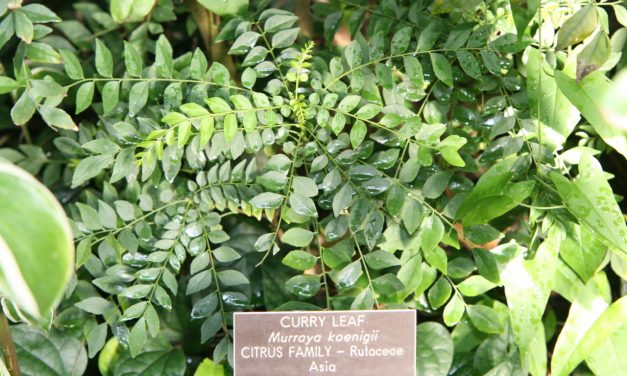
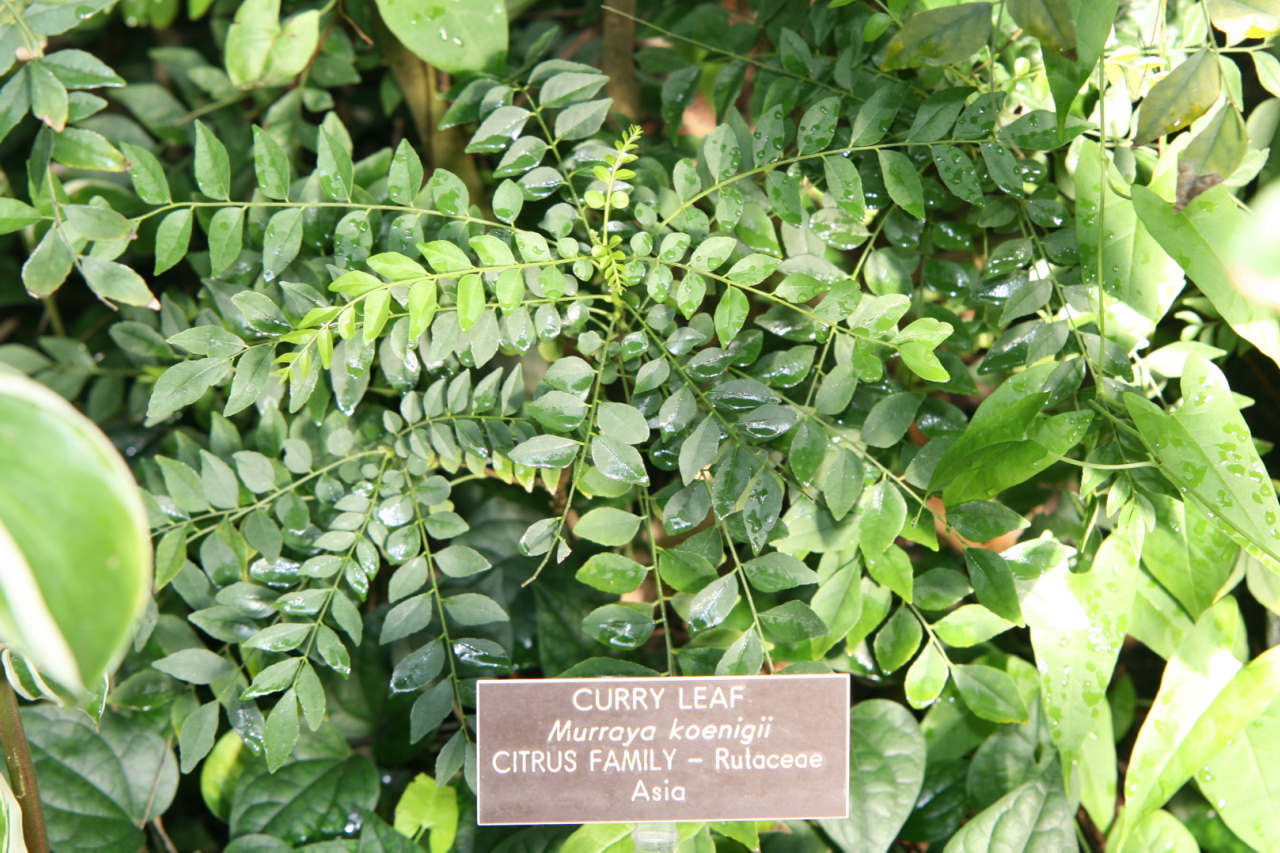
I’ve been all over the place. Local markets, Asian Markets, big stores, small stores, farmers markets. I’m looking for a local source for curry leaves and I can’t seem to find one. I was especially frustrated when I was told that they are an “oddity” and “exotic”.

Yes, the curry plant (Murraya Koenigii) is indigenous to India, and an essential ingredient in South Indian cooking . Why would I think any market in Phoenix would have them? Well, because I have found them here before. And we have a population of Indians, and a great South Indian Restaurant, Udapi Cafe. Wouldn’t there be a good local source for curry leaves?

I was able to get some information from one of the vendors at my favorite farmers market. She directed me to Tropico Mango. I emailed the nursery about obtaining a plant. I received a response in less than an hour. “Yes, we have them.” So this next week I am going out and purchasing a curry plant/tree. Then I will have my own source of this very important ingredient in South Indian cooking, the cuisine I am currently exploring.

I am glad that the search is over. I’m a bit tired from spending time and gas chasing all over town for an elusive and rare ingredient that is so important in South India, but not here in the Great Southwest.

Share

Variations on Rice Recipes: Cilantro Lime Rice

This is a bit of Southwest fusion. Roll this up with Smashed Black beans into a burrito, or serve with Grilled, smokey tofu.

Cilantro Lime Rice

Ingredients

  • 1 3/4 cups water
  • 1/4 cup lime juice
  • 1 cup rice, rinsed and drained
  • 1/2 bunch cilantro, chopped.

Process

Bring the water and lime juice to a boil in a sturdy sauce pan. Add a pinch of salt, and the rice.

Turn the heat down to a simmer, cover with a tight lid and cook for 30 minutes.

When the rice is done, add the cilantro and fluff with a fork.

Roll up in a burrito and enjoy.

Schema/Recipe SEO Data Markup by ZipList Recipe Plugin
http://www.kitchenshaman.com/cilantro-lime-rice/

Share

Beware the heat! Tomatillo Sauce

Tomatillos & JalapenosSometimes I like to add a bit of heat to my dishes. If I’m making Sonoran Quinoa cakes, or Tofu Chili Tacos, this is a sauce I like to have ready on the side. It’s great with rice and beans, or mock chicken fajitas, and other delicious dishes you can think of. Just remember, it comes out hot, hot, hot!

Tools:

Sauce pan, blender.

Beware the heat! Tomatillo Sauce

Ingredients

  • 8-10 tomatillos, husked
  • 4-5 jalapenos
  • 1/2 yellow onion, rough chopped
  • 2-3 cloves of garlic
  • 1/2 bunch Cilantro, stems removed & cleaned
  • 1 tbsp Lime juice
  • Salt

Process

In a pot of boiling water place tomatillos, jalapenos, onions and garlic. Cover and boil on a low-medium heat until jalapenos are tender.

Drain and reserve liquid. Place all the ingredients in the blender with some of the reserved liquid. Puree until the sauce is smooth.

Heat up a saute pan and add the Tomatillo Sauce. Cook the sauce for 10 to 12 minutes, or until it turns a deeper green. This will intensify the heat of the chilis and the lime juice. If the sauce thickens too much, add a bit more liquid to thin it out.

Remove from heat and cool down. Pour into an airtight bottle and refrigerate.

Serve on tofu, seitan, or tempeh. Goes great with fish as well.

Schema/Recipe SEO Data Markup by ZipList Recipe Plugin
http://www.kitchenshaman.com/tomatillo-sauce/

Share

Recipe Wednesday: Lime Cilantro Dressing

Marinades can make all the difference in the way food tastes. A good Vinaigrette adds the necessary acids to balance flavors of vegetables and fruits.  Mastering this aspect of cooking can help a cook go a long way in being dearly loved by friends and family, for the food of course.

This is one of my standard dressings in the refrigerator, in case I need to flavor tofu, or spike a salad. You can’t go wrong with limes and cilantro.

Tools: A blender, a bowl, a citrus juicer (if your hands can’t squeeze the limes), a clean bottle, a funnel.

Lime Juicer

Recipe Wednesday: Lime Cilantro Dressing

Ingredients

  • 6-7 limes, juiced
  • 1 bunch cilantro, roughly chopped
  • 2-3 cloves garlic
  • 3 tbsp Apple cider vinegar
  • 3/4 cup Olive oil
  • S & P to taste

Process

Put all ingredients except olive oil into the blender and blend on high speed. Slowly add in the olive oil in a steady, thin stream so that the dressing emulsifies. Add salt & pepper to taste. Pour into bottle using the funnel. Use to marinade tofu, and pour onto salads.

Schema/Recipe SEO Data Markup by ZipList Recipe Plugin
http://www.kitchenshaman.com/lime-cilantro-dressing/

Share