Author: Kitchen Shaman

Following the Spice: Cumin

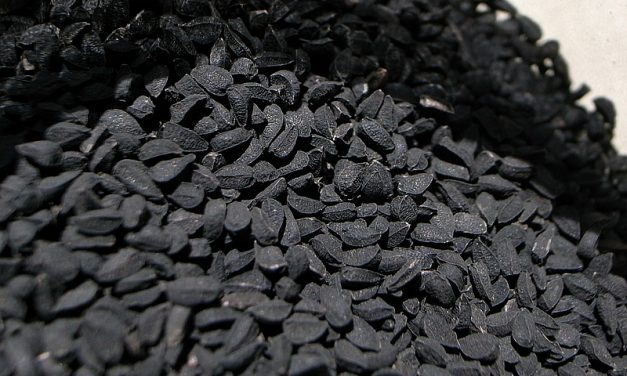
In ancient times, cumin was as common a spice as black pepper is on our tables today. Used as a condiment, baked in bread, and distributed widely, cumin seed generated several fascinating myths and origin stories as a list of incredible health benefits. In the Ancient World, people believed that cumin could cure anything but death. What is Cumin?

Sa cuminThere are two kinds of seed that are called cumin.
Read More

Move over Pinto, here comes the Black Bean

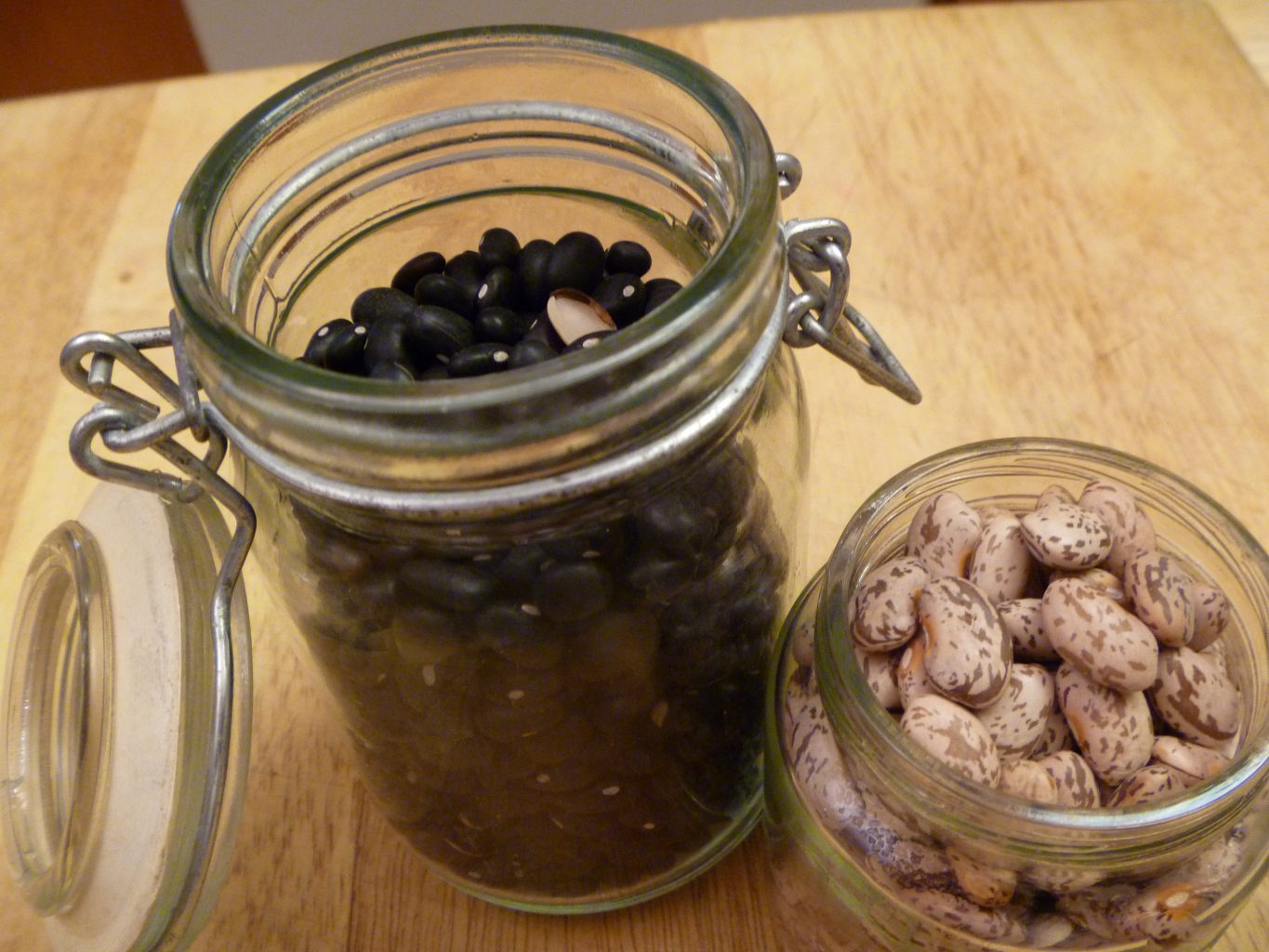
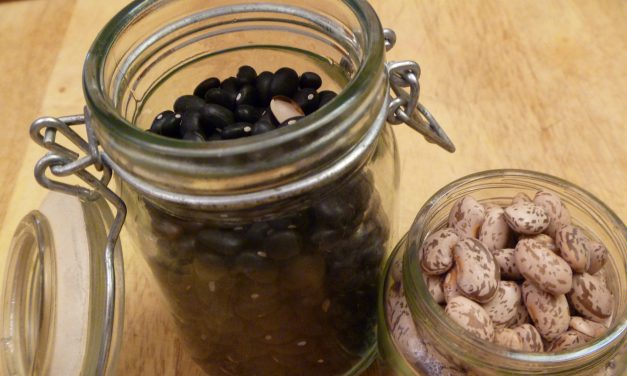
Black and Pinto BeansIn traditional Southwestern cooking, the pinto bean is king. Pintos are in everything. Traditionally, they are the bean that makes up Refried Beans. But pinto beans are starchy, they have a high fat content. And when you add something like lard (traditional way to refry the bean), the calories go off the scale.

In developing Sonoran cooking for those who want no meat but all the flavor, I’ve come up with this little goodie. Smashed black beans. Cooked in a high heat oil like Sunflower, and you can add that flavor, without adding the fat. Beans are also traditionally cooked in some kind of meat stock. I cook mine either in just plain water, or in vegetable stock. Either way, because of the red chili sauce, there’s flavor in these beans. read more

Read More

The Spice Road: Coriander

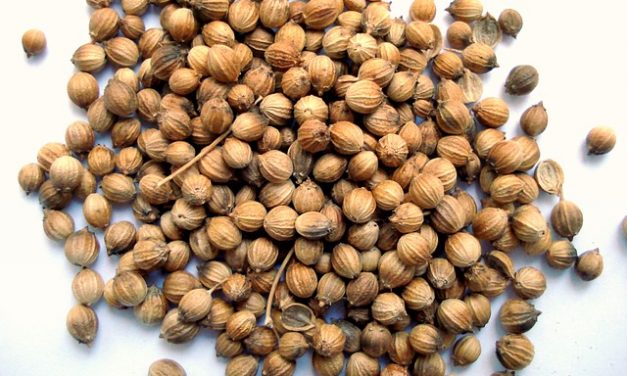
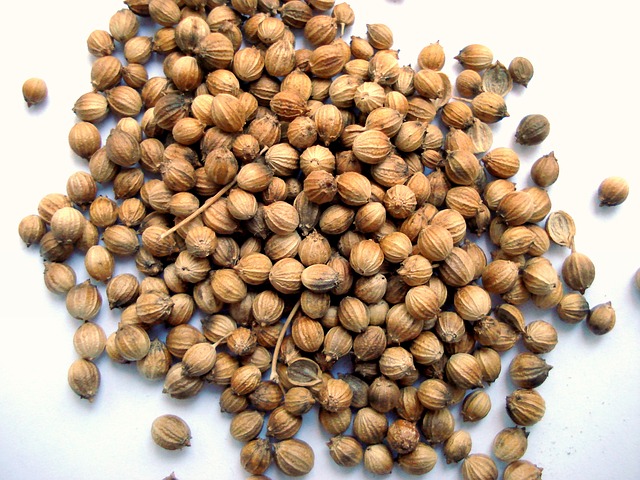
Coriander (seeds)Certain foods inspire strong reactions in people.  For example, many people either love or hate cilantro.  Its prevalence in salsas and Mexican sauces make it easily recognizable to most diners. On the other hand, coriander is more of a stealth ingredient, finding its way into many foods without inspiring such a strong reaction.  What many people don’t realize is that those cilantro leaves and stems come from the same plant as the spice known as coriander.

Coriander is the fruit or seed of the cilantro plant (also known as Chinese parsley). The seed is ground up and used as a base in curry pastes or “gravies.” It serves as a base ingredient in Mediterranean, Chinese, and Indonesian cooking. It sports a pungent fragrance and provides a deep, rich flavor to food. Cilantro, on the other hand, lighter but stronger, imparts a “lift” to any food it seasons. Recipes usually add cilantro at the end of a dish while coriander is added at the beginning. Oftentimes coriander is toasted and ground, and then mixed in with ginger and turmeric. Diners can easily see and recognize cilantro in a dish, which can trigger an immediate reaction, either positive or negative. Since coriander is one of the invisible spices, most people don’t even know they are eating it. read more

Read More

Meatless Enchiladas That Will Have Them Begging for More

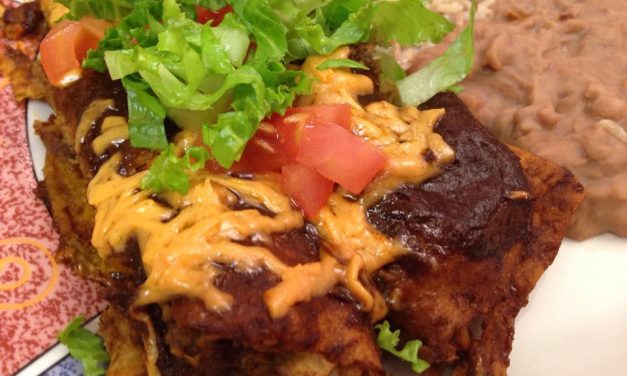
In case you haven't guessed, I love roasted vegetables. I'll stuff them, make salsas, chop them up in salads, put them on a dinner plate with portabello mushroom burgers... And now, here's one more use for roasted veggies: stuff them into corn tortillas, topped with sauce and cheese (soy or real, your choice), bake in an oven for just a little while, and serve with smashed black beans, arroz, and calabacitas. Add guacamole, herbed "sour cream", and roasted salsa, and you'll have your kids, your neighbors, and your mom begging for more.

Read More

The Heat of Ginger

Ginger:

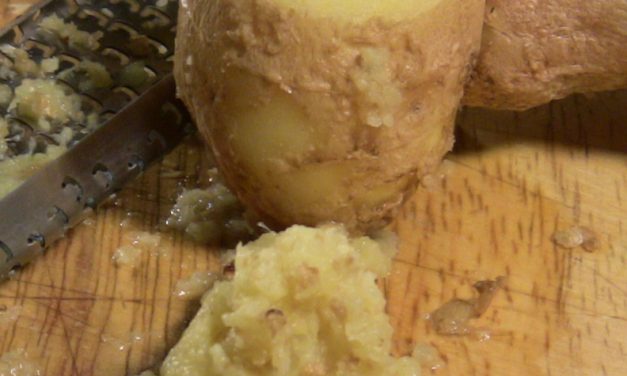
grated_gingerGinger is a root, the rhizome of Zingiber Officinale, and grows in fertile, moist soil (definitely not where I come from). Unlike most spices when ginger is used fresh, not dried, it is still called a spice. Typically the root is dried, and ground to a powder, or the oils from the ginger are extracted and used medicinally.
Ginger purportedly has many medicinal uses. Most of them are unproven by Western Medical Science, but well known in the Schools of Ayurveda, and in Traditional Chinese Medicine. I am not a trained Nutritionist, or part of the Medical Profession, yet I do believe in the power of herbs and spices to heal. And ginger is one of those spices. It is known as an anti-inflammatory, helping with Arthritis, nausea and vomiting in both pregnancy and chemo therapy patients. It is used to combat ulcerative colitis, heartburn and stomach upset. It is also used to treat Upper Respiratory infections. It may possibly help in heart-related disease, by lowering cholesterol. And there have been studies done to show its usefulness in alleviating motion-sickness. Ginger may possibly have cancer-fighting agents as well, but that remains unproven as of right now. read more

Read More

Spicing up your Cuisine: Exploring the World of Spices

Spices

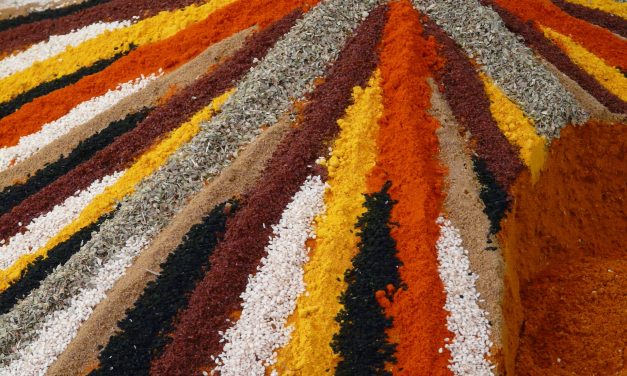
SpicesSpices make up the “palette” of a chef. They have a long and intriguing story of travel; how they spread out from a point of origin to all over the globe. Each culture treats these spices a little differently, yet there seems to be several common spices used in global cuisine.

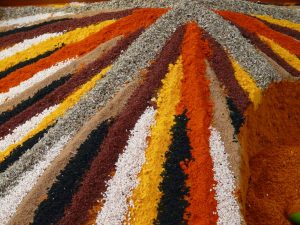
Cumin, coriander, turmeric, and ginger make up the base of most Asian and South Asian cooking. Pick up any Indian cook book, and at least three of the four will be listed. The combination is the base of a “curry,” or gravy, that is made to compliment the food on the table. read more

Read More

Smoked Tofu part deux

Last summer I wrote about smoking tofu. I've learned a few thing since. I actually read on the package of mesquite chips what I am supposed to do.

Fire up the grill following the instructions in Smoked Tofu. Then follow these directions...

Read More

What’s in a Pod? Tamarind

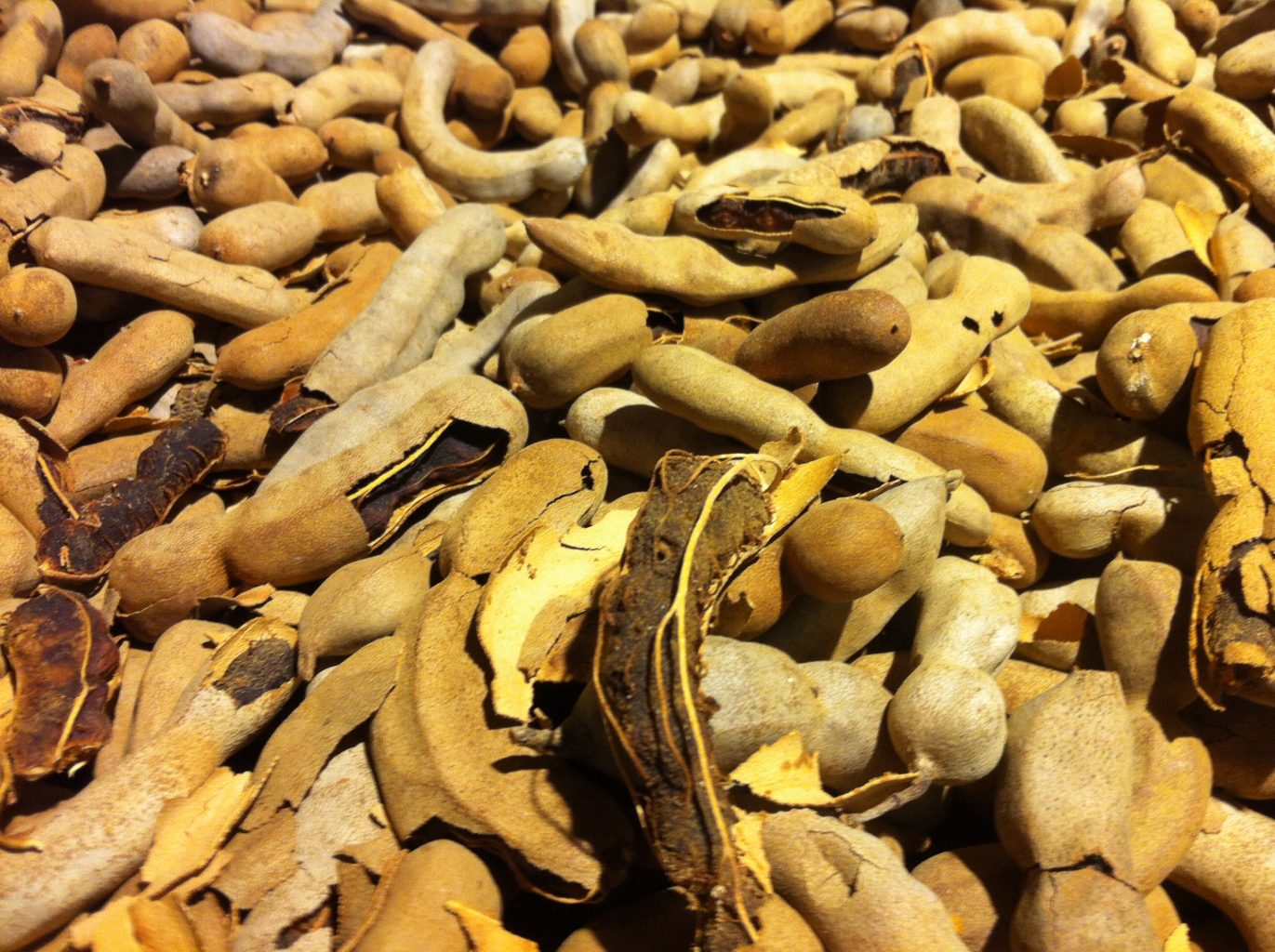
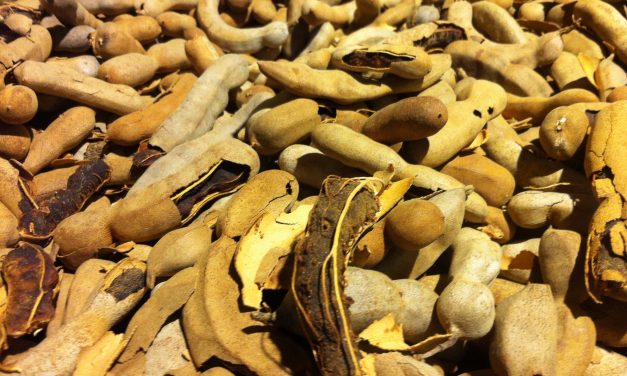
tamarindoTamarind. You may or may not have heard of it. It comes as a concentrated dry or wet pulp, as a gooey concentrate that is almost black, or in whole pods. Tamarind, in whatever form, carries a weighty nutritional and medicinal punch.

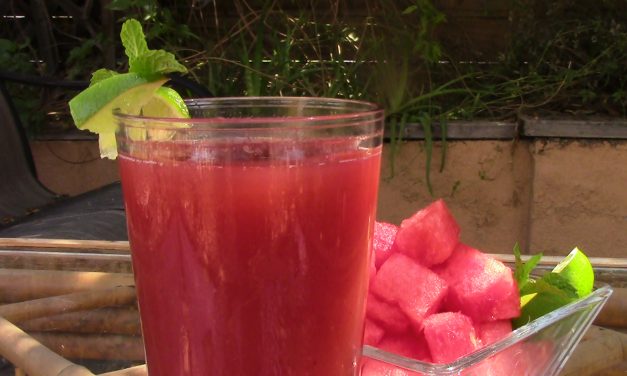
Grown in India, and indigenous to tropical Africa, tamarind made its way to the Americas via the Spanish Conquistadors and Portuguese Explorers. Here in Arizona, there are mounds of tamarind pods in the bulk produce section of most grocery stores, usually next to Jamaica (hibiscus). Both are used in Agua Frescas. Tamarind is also commonly used in Indian, Middle Eastern, and Southeast Asian cooking. It is used as an acidic or souring flavor, much like lemon juice in Western cuisine. read more

Read More

Smoked Tofu and Veggies with “Magic” sauce

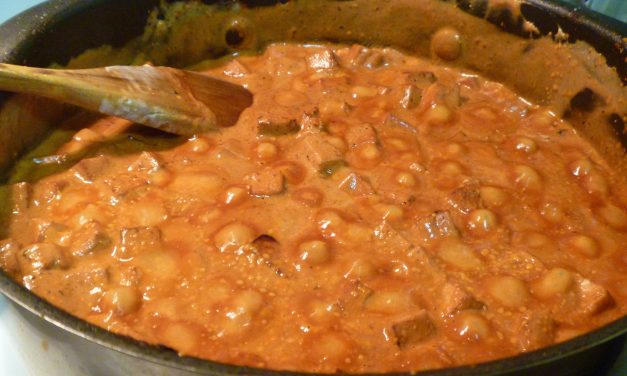
The other night I came home from work and was really tired. Still, I had to get dinner on the table. I had one can of coconut milk left on the shelf. In the refrigerator there were some left-over diced veggies, smoked tofu, and rice. I have a well stocked pantry, so I gathered up some spices, and went to work. And I came up with Smokey Tofu and Veggies, with Magic Coconut Sauce.

Read More

Books by Chef Johnna

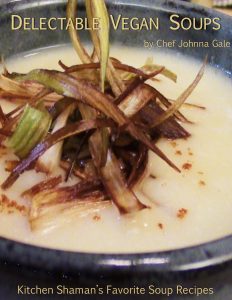
  • Delectable Vegan Soups -------------------------------------------------------
  • Things Vegans Fry: Crunchy Comfort Food for Vegans

Support this website by donating the cost of a magazine or a cup of coffeee.

Archives